
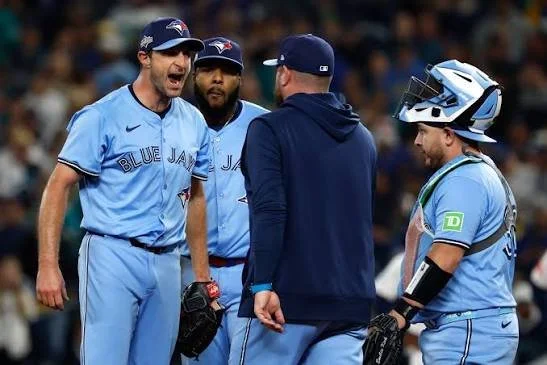
3 Blue Jays Players Who Should Become Coaches After 2026: Scherzer, Springer and Taillon
Max Scherzer, George Springer and Jameson Taillon are all near the end. The Blue Jays should hire all three as coaches before somebody else does.
Blue Jays Wild Card 2026: Three Problems Toronto Can Actually Fix
Blue Jays wild card 2026: Toronto sits a game and a half back. Inside the 2.5-man rotation, Vladdy’s RISP splits, and the Sánchez vs. Straw debate.
6 Laws guide what the Blue Jays should do now according to science
The Blue Jays losing streak will end because they always do, and because that is what randomness does. It’s not a Guerrero Jr problem. The question that matters is whether anyone in the building can tell the difference between the noise that is ending and the signal that is not.

After 12 Blue Jays’ games, here’s what should actually worry you (From somebody who knows what to watch)
he 2026 Toronto Blue Jays are still a really good baseball team, even if they haven’t shown it to you yet.
But two things can be true at the same time. They’re also sitting on a handful of trends that, if they continue, are going to cost them games in ways that won’t show up in a box score headline.
Let’s talk about the real concerns.
How to Cheer for the Blue Jays When They Aren’t in the World Series
So the Blue Jays aren’t in the World Series right now, just like they haven’t been for about 99.76% of their existence (based on 19 world series games out of ~8000 games in their history).
If you’re fairly new to Toronto baseball, you’re now sitting there wondering: “What exactly am I supposed to do with 162 games of baseball that don’t involve a big part?”
Good news: you’re about to discover what real baseball fans already know.
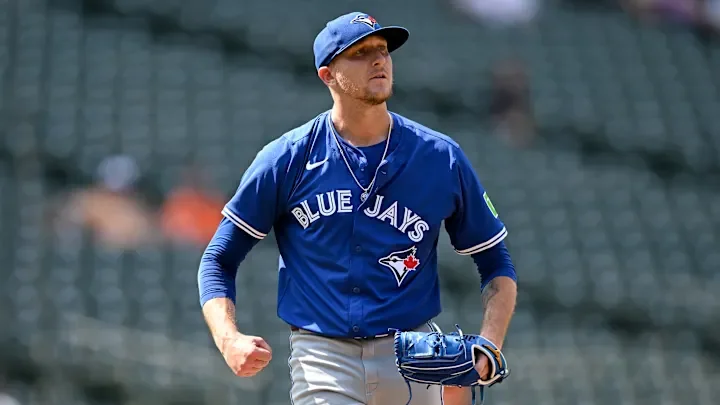
Jeff Hoffman is going to be great, and here’s why
Why Jeff Hoffman is the perfect fit for the Toronto Blue Jays in 2026, with advanced stats, strikeout metrics, and the impact of Max Scherzer shaping an elite, postseason-ready bullpen.
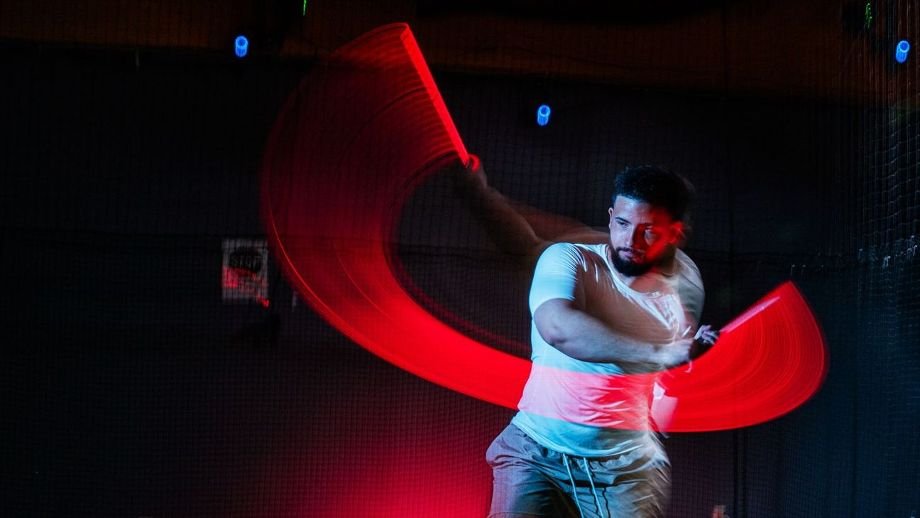
159 to go and the Blue Jays look UNBEATABLE
Forget the 3–0 record. The real story is how they did it. Using Baseball Reference and Statcast data, this breakdown shows a Blue Jays team built on elite pitching, decision-making, and a modern, sustainable run-creation model.
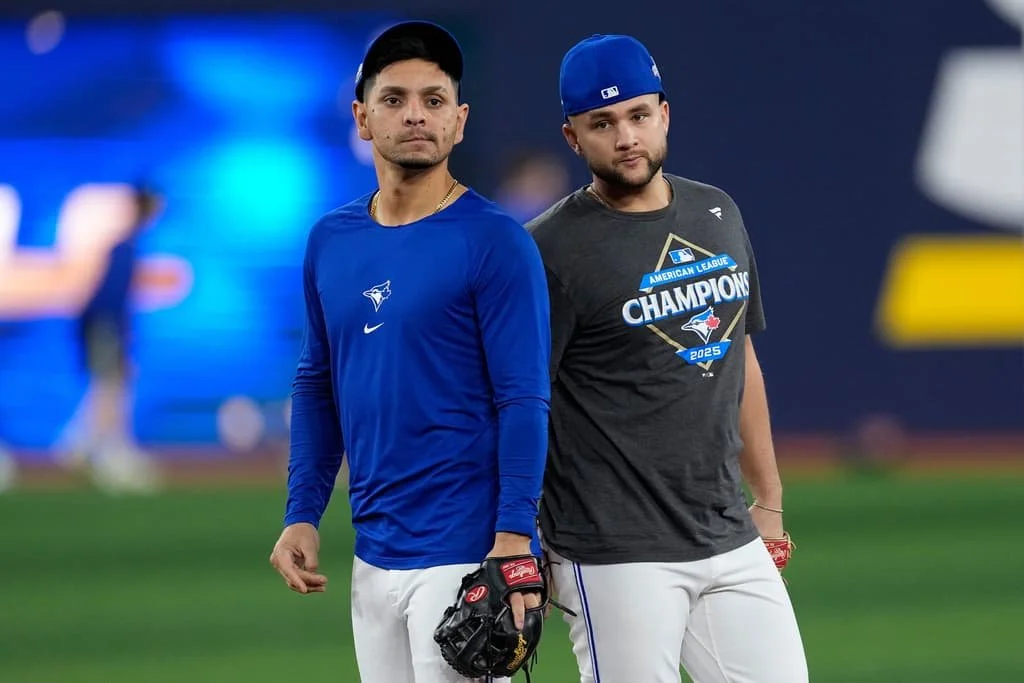
Fact: The Toronto Blue Jays will likely win more games without Bo Bichette at shortstop.
A data-driven analysis of why replacing Bo Bichette with Andrés Giménez at shortstop could lead to more Blue Jays wins, using Baseball Reference stats on defense, baserunning, and total WAR value.
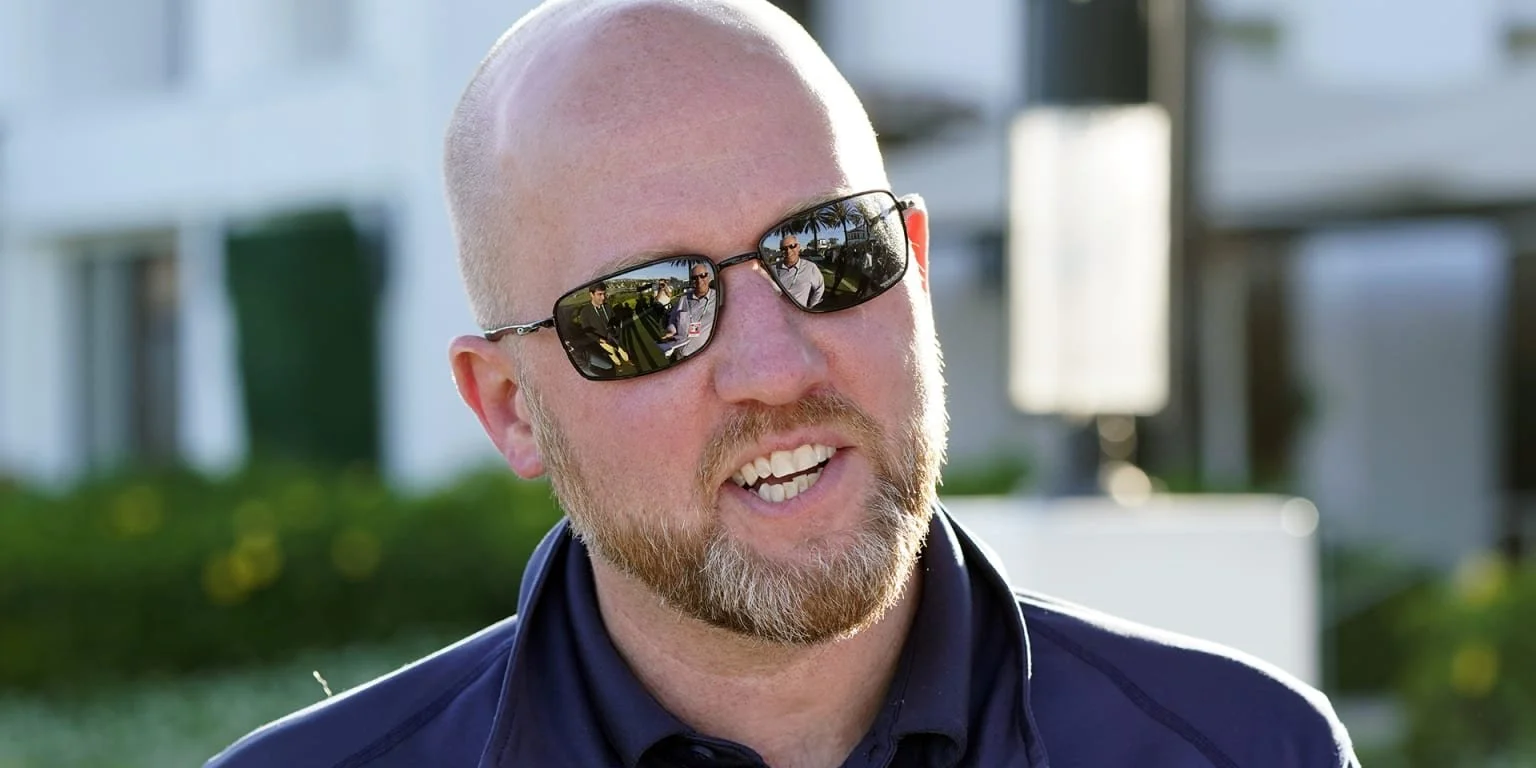
Getting all the pieces to James Click together
When the Toronto Blue Jays hired James Click, it didn’t come with a parade, a press tour, or a flashy introductory press conference that shook the baseball world and there were no viral quotes, no big promises, or “we’re changing everything” rhetoric.
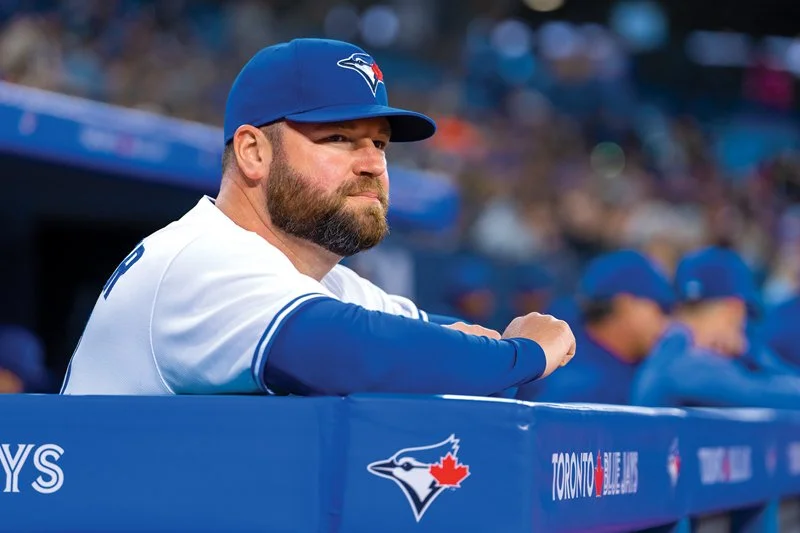
My Honest John Schneider Assessment After 4 Years
There are two versions of John Schneider in the public imagination.
There’s Schneider the steady hand, the former minor-league catcher who grew up in the Blue Jays system, earned the trust of his clubhouse, and helped guide Toronto through one of its most competitive eras in decades.
And there’s Schneider the lightning rod, the manager whose bullpen decisions get dissected in real time, whose October track record raises uncomfortable questions, and whose calm demeanour is sometimes interpreted as passivity instead of poise.
Four years in, the truth sits somewhere between those two versions and it deserves a more honest, less emotional evaluation than the day-to-day cycle of wins, losses, and Twitter verdicts.
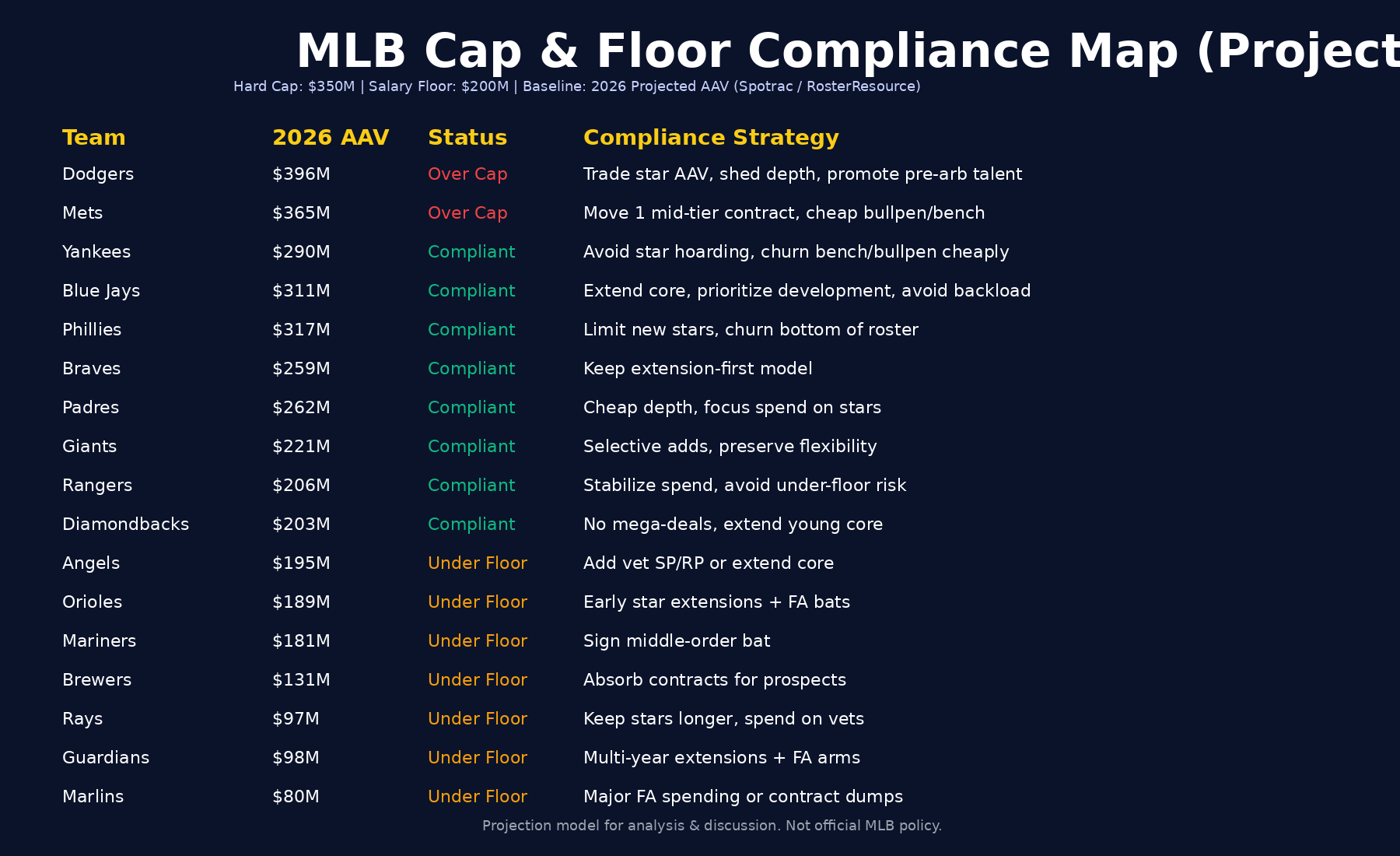
Every MLB team’s situation with a new Salary Cap/Floor
Blue Jays Way creates a cap and floor situation that is realistic for 2028 and outlines everyones, place in it from the Dodgers, Mets, and Yankees to the Marlins, Reds, and Athletics.
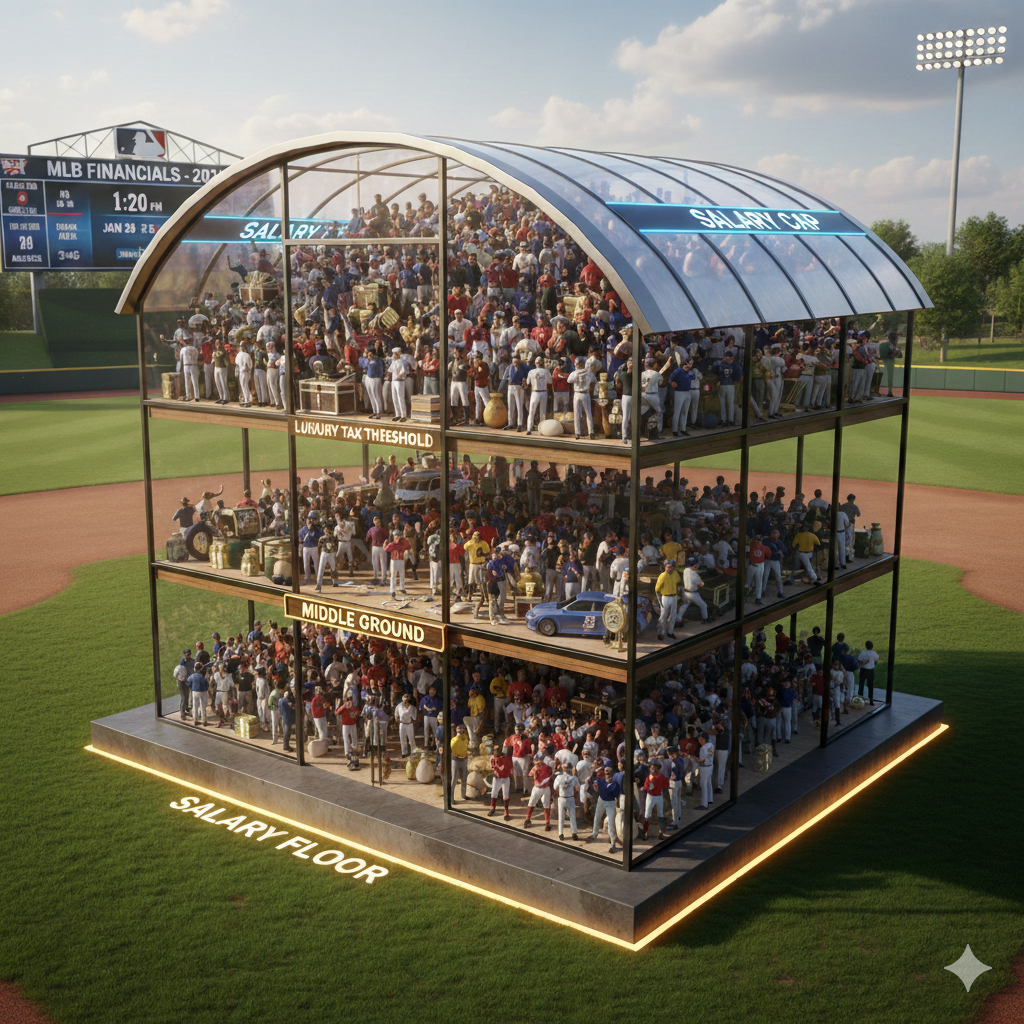
The Great Reset: What a capped and floored MLB would become and why the Toronto Blue Jays are built for it
Don’t get me wrong, a salary cap, and floor, doesn’t automatically make baseball fair but it will make baseball more honest and pure for the fans.
It will reveal which organizations were using money as a shield, and which were using ideas as a weapon.
It will separate front offices that built systems from those that built spotlights.
It will test whether baseball is truly a game of development, or a game of financial advantage of the owner/ownership group.
Feeling the Ern: Why the term ‘grit’ doesn’t do Ernie Clement justice
Here’s the thing: calling Clement a grit guy undersells him. The real value is that he’s a roster cheat code.
He plays anywhere. He doesn’t panic. He doesn’t strike out much. He gives you professional at-bats in big moments. He’s the kind of player who turns over lineups, forces pitchers to throw more pitches, keeps innings alive, and makes opposing defenses actually have to work.
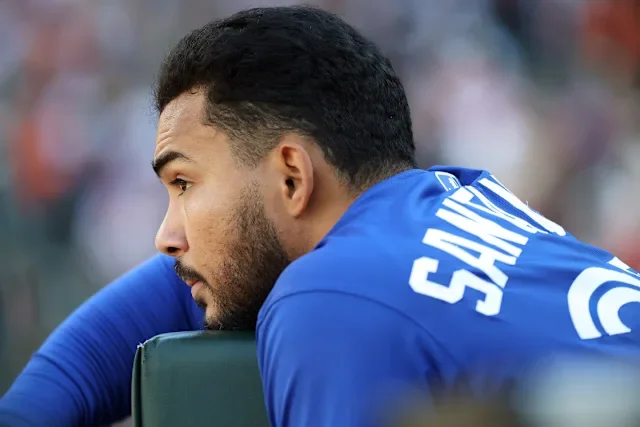
The Anthony Santander multiverse, and why I’m optimistic
Let’s begin with a simple truth: Anthony Santander is one of those players who makes you believe in baseball when he’s hot and makes you believe in yoga, ice packs, and prayer when he’s not.
Toronto didn’t sign him to be “nice depth”, they signed him to be that guy. A switch-hitting, mistake-punishing, late-inning villain who turns a one-run game into a collective therapy session for opposing bullpens with a swing.
Dodgers Payroll, MLB Failure: How Baseball Built Its Own Villain
The Dodgers didn’t wreck baseball because baseball built a house with no ceiling and the Dodgers kept stacking floors. Now everyone else looks short.

7 Reasons why the Dodgers signing Kyle Tucker is an opportunity for the Toronto Blue Jays
How many wins does one star actually buy, compared to what that money could buy in aggregate?
A $60M/year contract for Tucker might:
Add 3–4 wins above replacement relative to a league-average LF
BUT
Eliminate the budget for 2–3 bullpen arms worth 1 WAR each
Leave you with a thinner bench
Meanwhile, affordable contributors who add 1 WAR at $2–4M create significantly more wins per dollar which is the metric front offices truly worship.
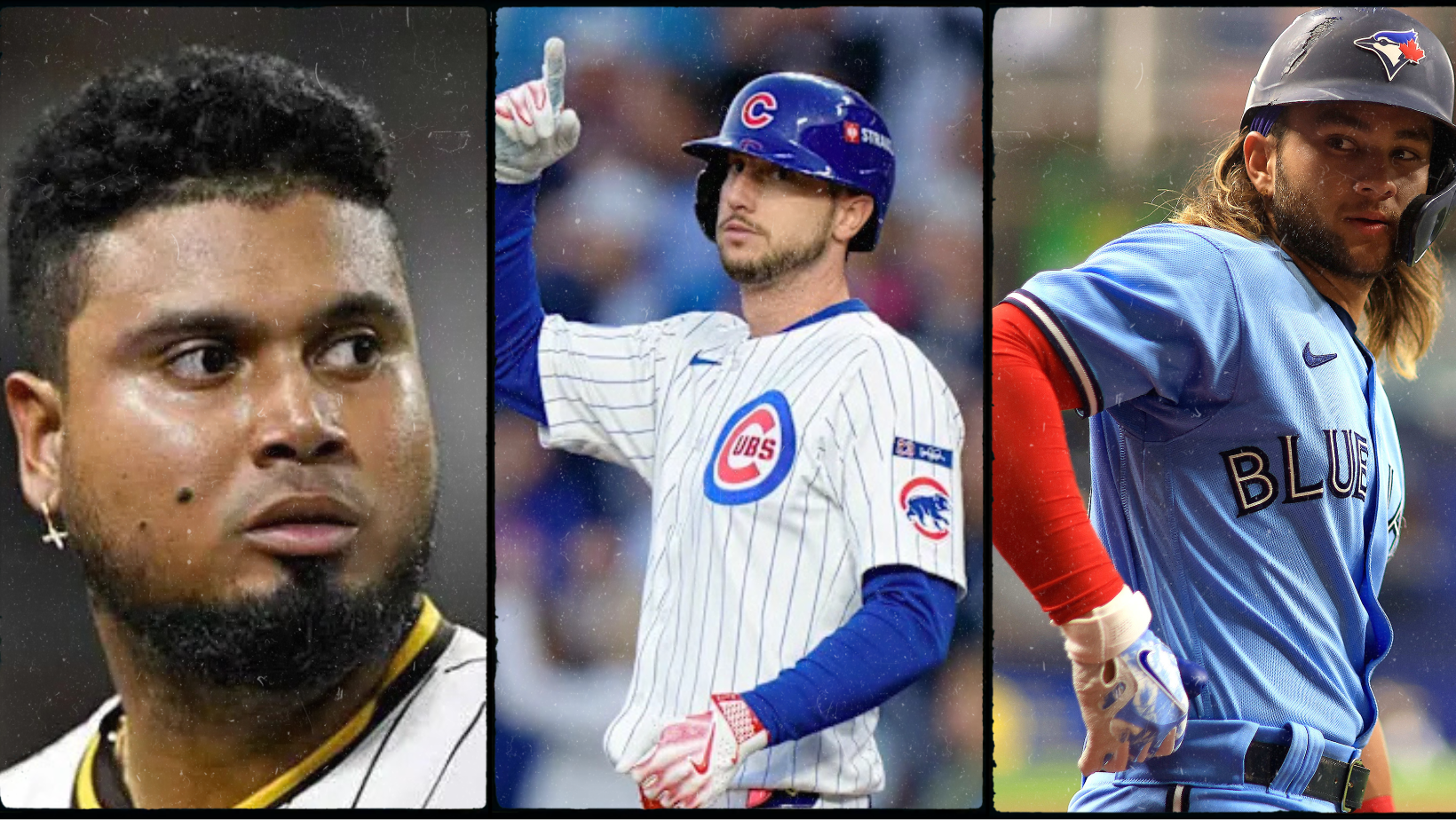
The best fit alongside Kyle Tucker would be Luis Arráez, not Bo Bichette, despite people forgetting him
But if Toronto is serious about building a roster around a potential Kyle Tucker–level swing, paired with Vlad Guerrero Jr, a move that would be both expensive and transformative…then the next question isn’t “who do we love most?” but “what roster construction actually wins?”.
And the uncomfortable answer is that if you’re spending big on Tucker, the smarter complementary move is Luis Arráez, not Bo Bichette, even if Bo might be an better overall player on paper.
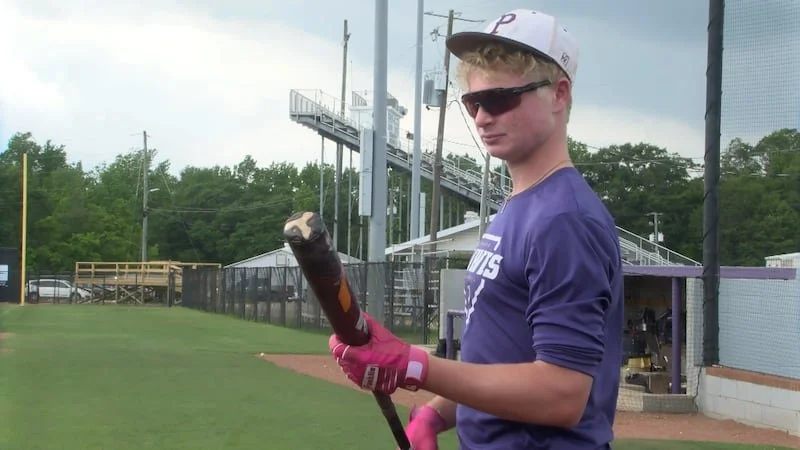
Toronto Blue Jays Prospect Highlights: Tools, Risks & MLB Timelines
There’s a difference between a farm system that excites fans and one that quietly scares other front offices And the Toronto Blue Jays are drifting deliberately into the second category.
This isn’t a system built on one savior prospect or a single “next Vlad.” It’s a system built the way modern contenders build with layers, redundancy, timelines, and optionality. It’s not about how many stars you produce but about how few holes you have to fill externally and how rarely you’re forced into desperation trades.
This is not hype, it’s infrastructure.
Let’s walk it by position the way baseball ops departments actually do.
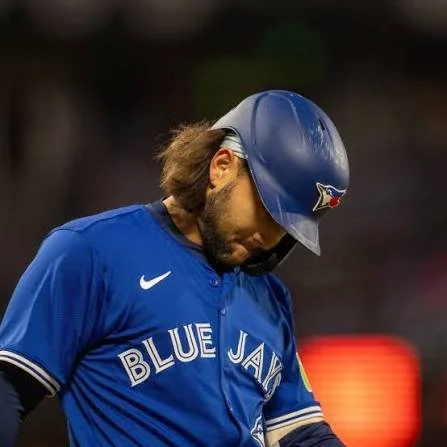
Bichette fan or Blue Jays fan? Unless Rogers has given a blank cheque, Ross Atkins can't be both
Is re-signing Bo Bichette the right move? A data-driven case using Statcast and Baseball-Reference to compare his value to Toronto’s infield alternatives and wins impact.
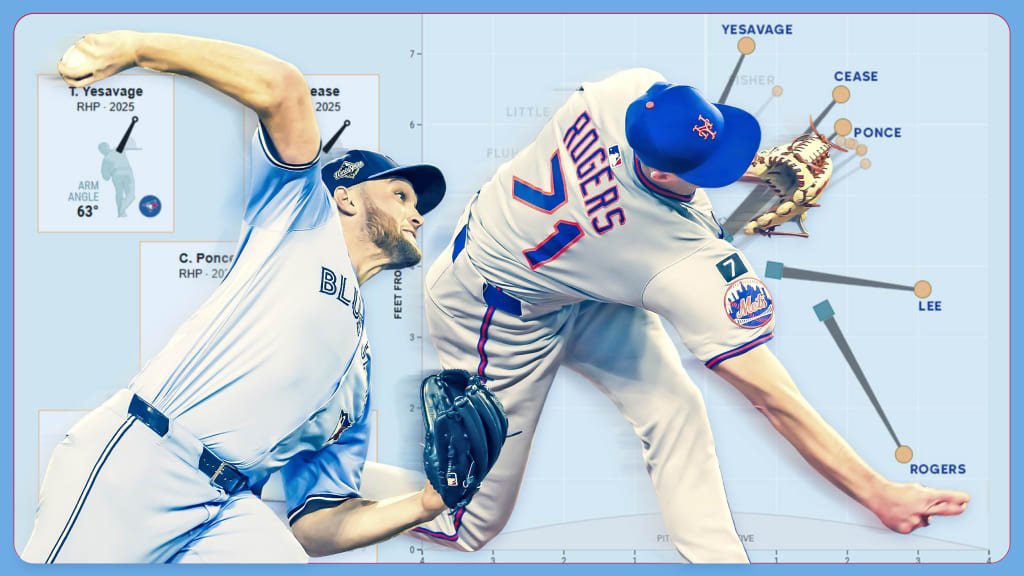
Why Tyler Rogers Works: Inside MLB’s Most Extreme Arm Angle
A deep dive into Tyler Rogers’ submarine delivery, release point, and advanced analytics—plus an arm-angle comparison with Trey Yesavage and Kevin Gausman and why it works.