
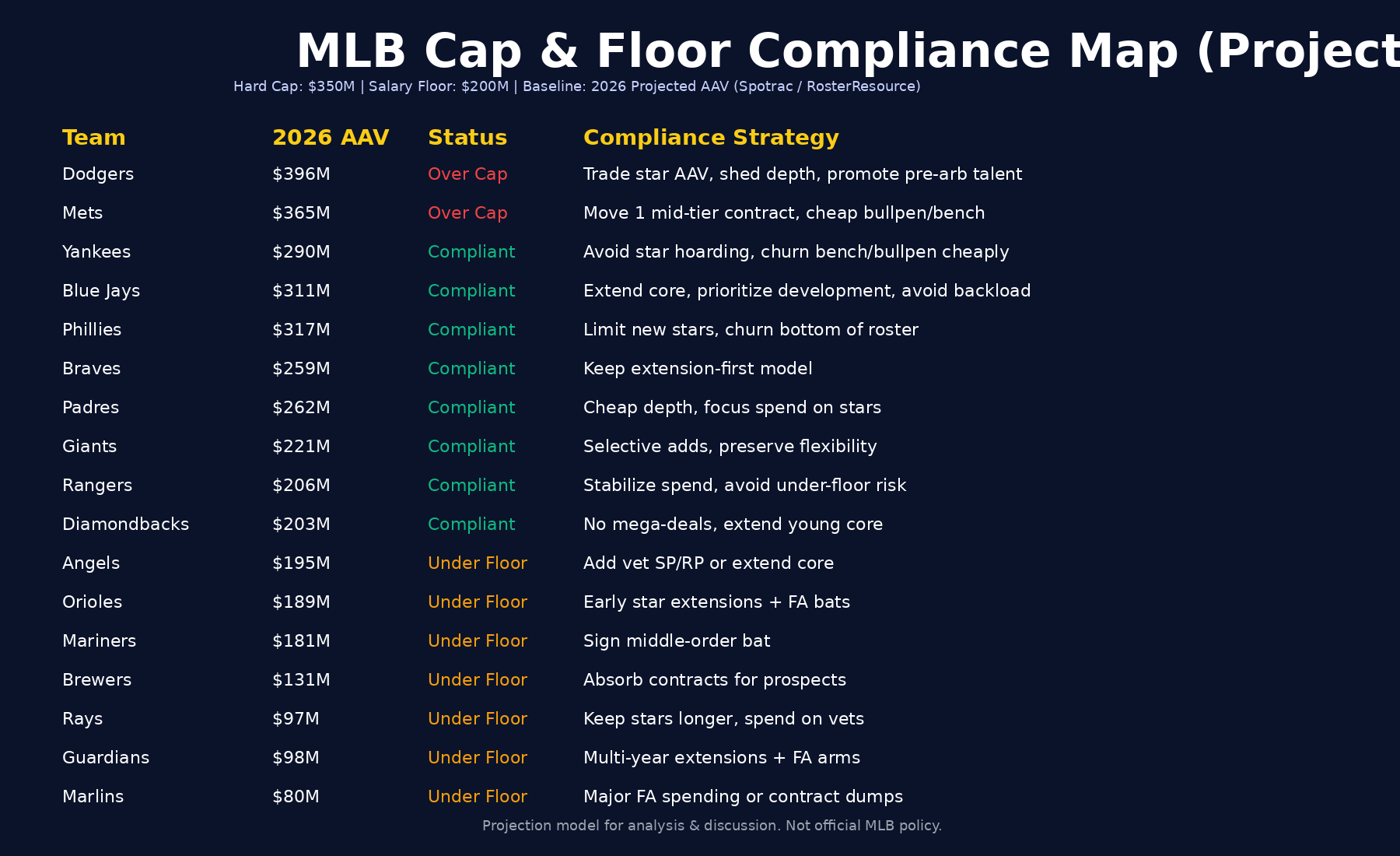
Every MLB team’s situation with a new Salary Cap/Floor
Blue Jays Way creates a cap and floor situation that is realistic for 2028 and outlines everyones, place in it from the Dodgers, Mets, and Yankees to the Marlins, Reds, and Athletics.
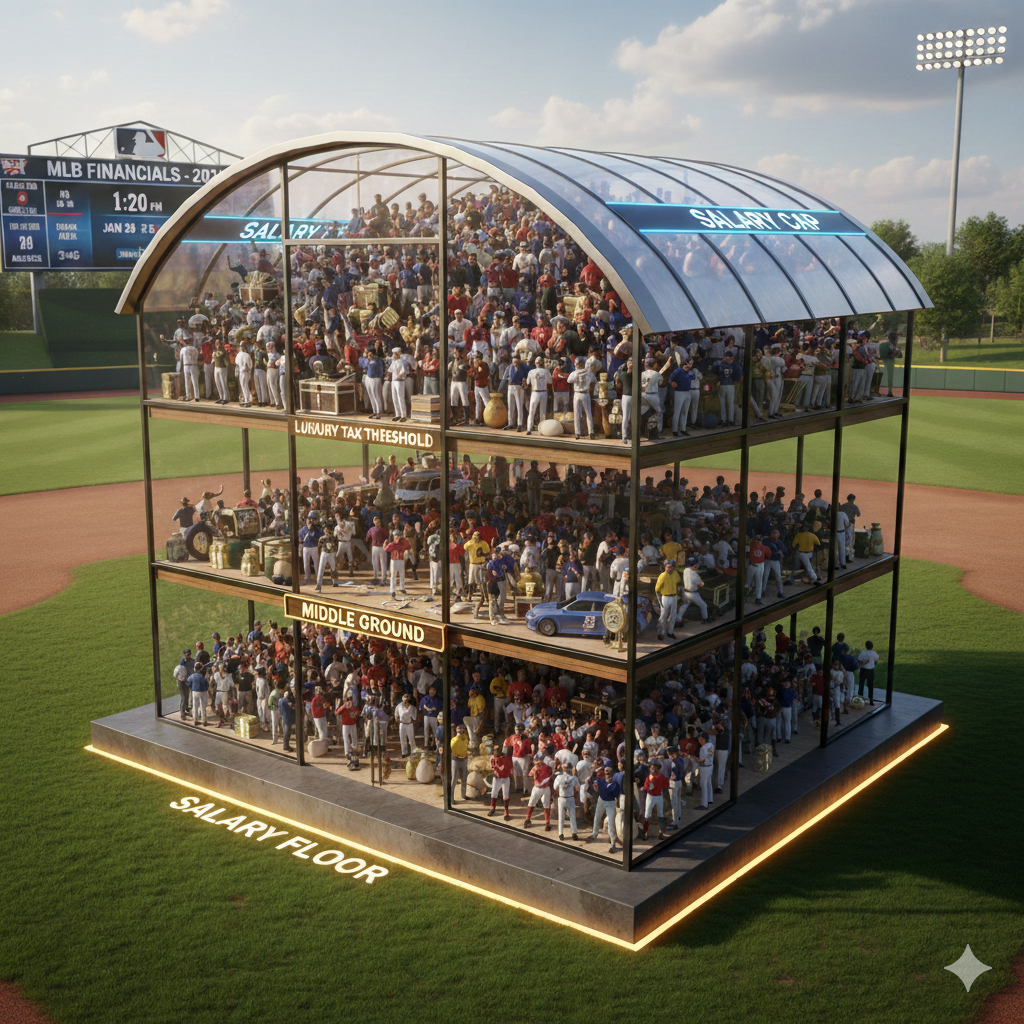
The Great Reset: What a capped and floored MLB would become and why the Toronto Blue Jays are built for it
Don’t get me wrong, a salary cap, and floor, doesn’t automatically make baseball fair but it will make baseball more honest and pure for the fans.
It will reveal which organizations were using money as a shield, and which were using ideas as a weapon.
It will separate front offices that built systems from those that built spotlights.
It will test whether baseball is truly a game of development, or a game of financial advantage of the owner/ownership group.

Dodgers Payroll, MLB Failure: How Baseball Built Its Own Villain
The Dodgers didn’t wreck baseball because baseball built a house with no ceiling and the Dodgers kept stacking floors. Now everyone else looks short.

7 Reasons why the Dodgers signing Kyle Tucker is an opportunity for the Toronto Blue Jays
How many wins does one star actually buy, compared to what that money could buy in aggregate?
A $60M/year contract for Tucker might:
Add 3–4 wins above replacement relative to a league-average LF
BUT
Eliminate the budget for 2–3 bullpen arms worth 1 WAR each
Leave you with a thinner bench
Meanwhile, affordable contributors who add 1 WAR at $2–4M create significantly more wins per dollar which is the metric front offices truly worship.
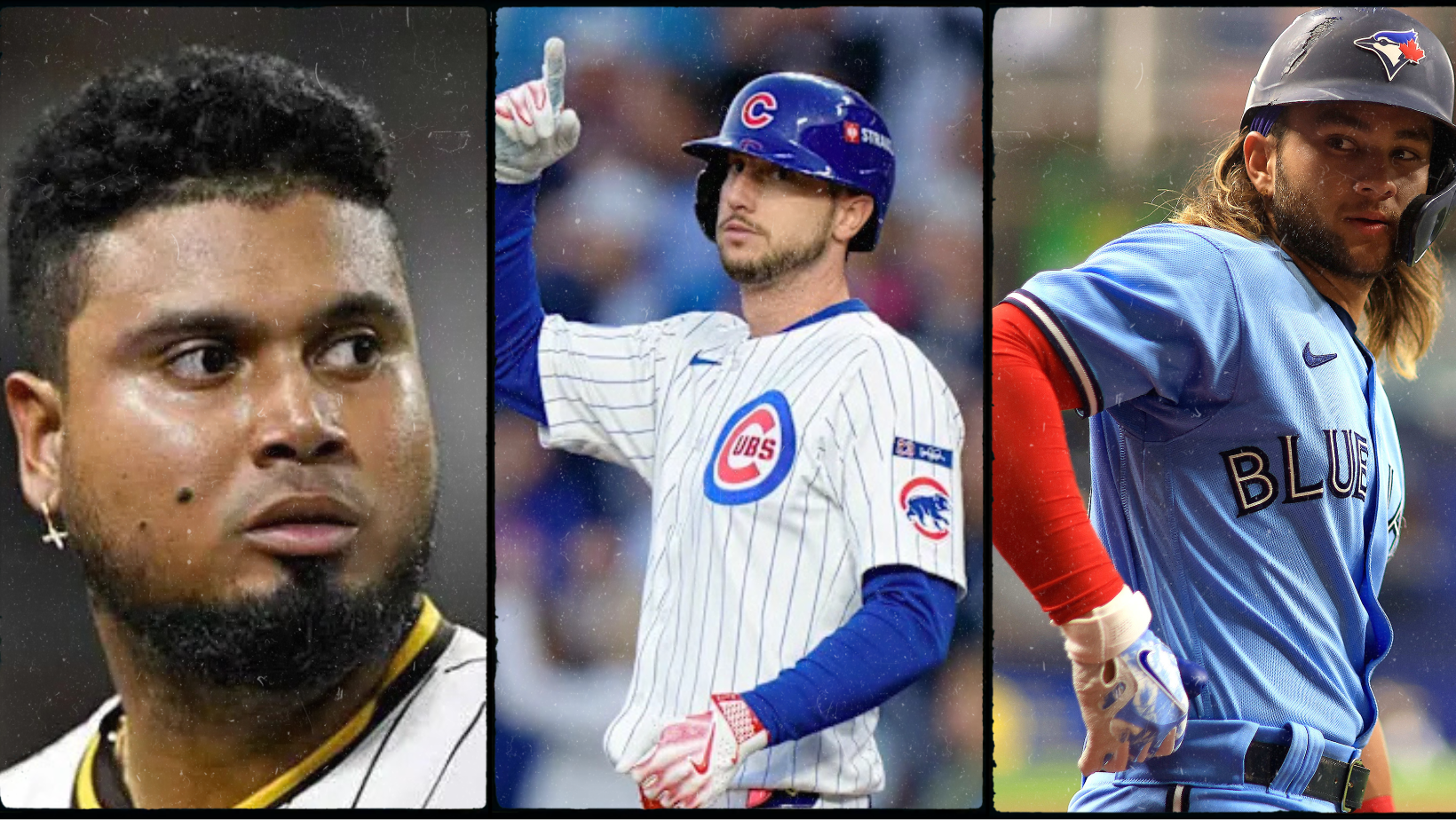
The best fit alongside Kyle Tucker would be Luis Arráez, not Bo Bichette, despite people forgetting him
But if Toronto is serious about building a roster around a potential Kyle Tucker–level swing, paired with Vlad Guerrero Jr, a move that would be both expensive and transformative…then the next question isn’t “who do we love most?” but “what roster construction actually wins?”.
And the uncomfortable answer is that if you’re spending big on Tucker, the smarter complementary move is Luis Arráez, not Bo Bichette, even if Bo might be an better overall player on paper.
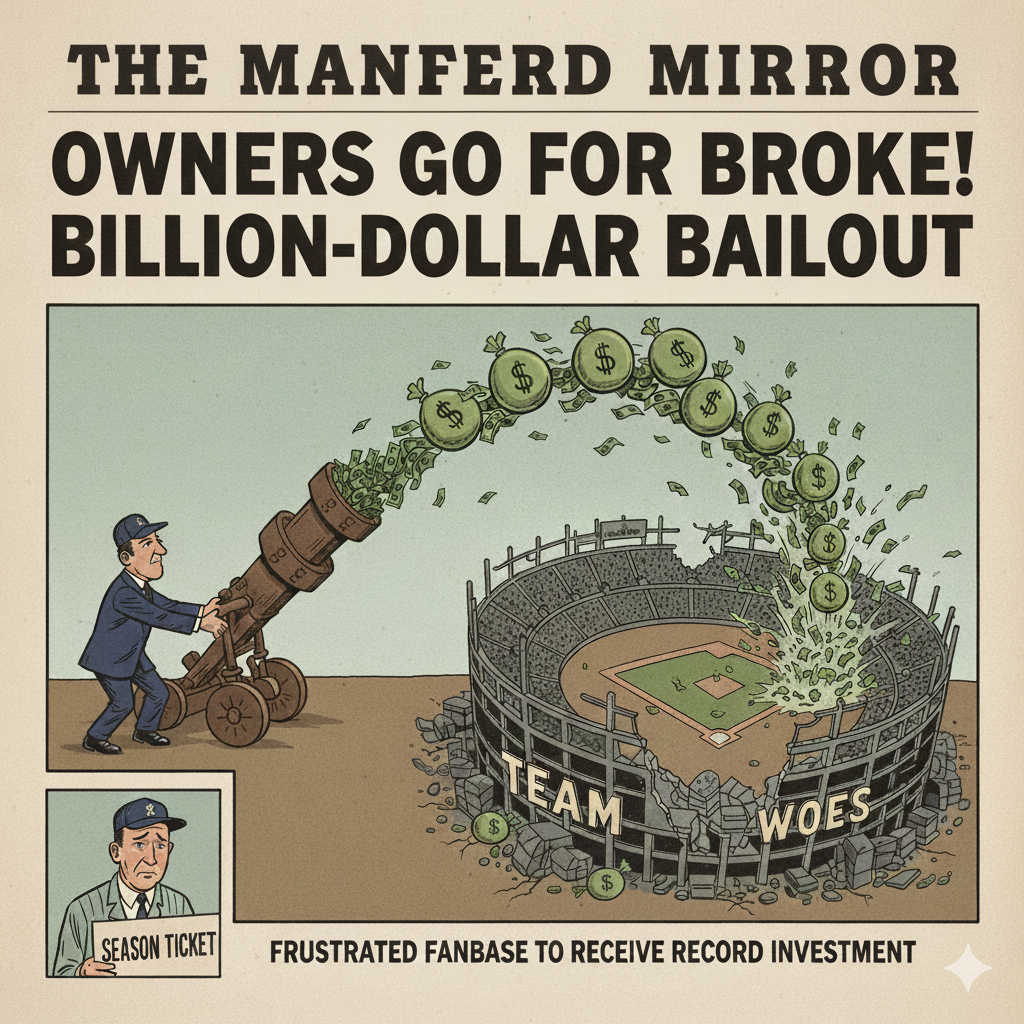
How the Dodgers, Blue Jays, Mariners, and Brewers built contention the same way and what it means for baseball's future
A deep, data-driven look at how the Dodgers, Blue Jays, Mariners, and Brewers built their 2025 contenders using the same roster-construction model. A surprising, nuanced breakdown of modern MLB team-building.
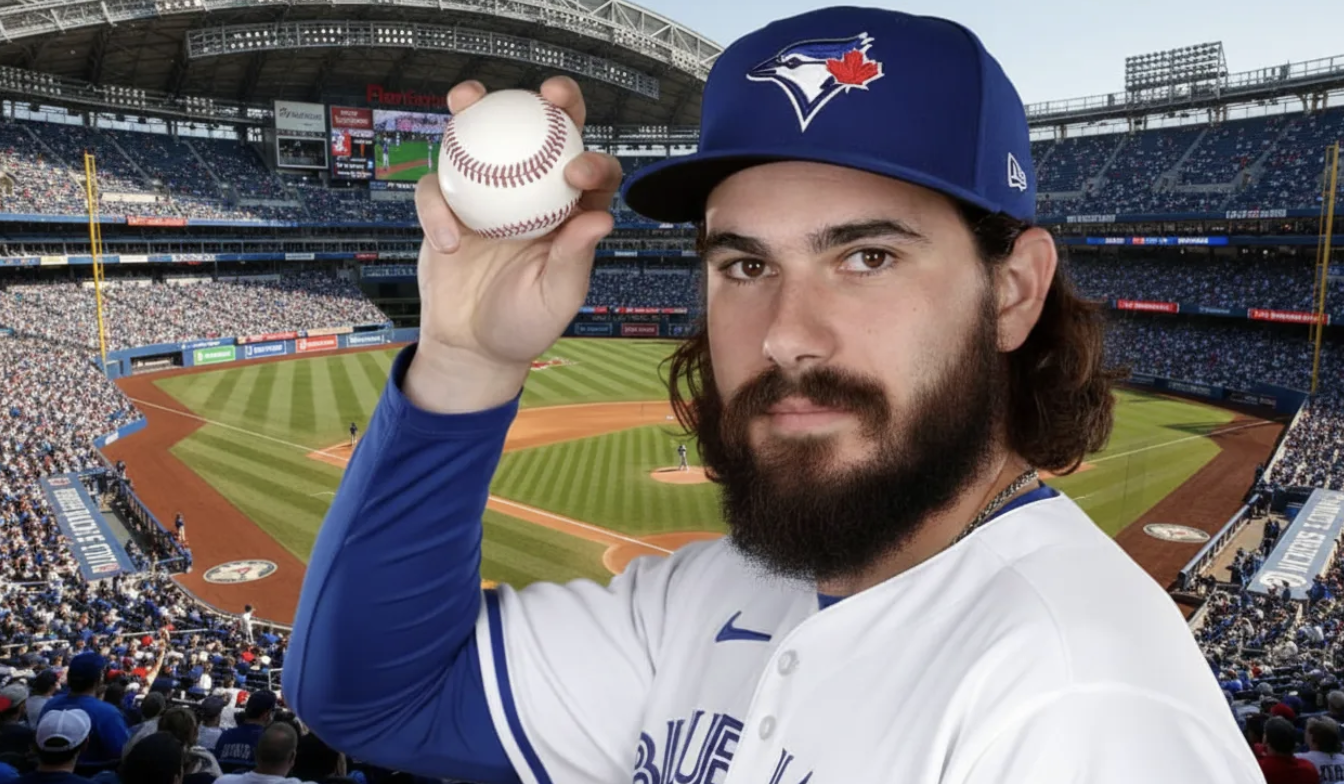
Ross Atkins won't Cease to amaze anytime soon
If you thought the Toronto Blue Jays’ rotation was already cooking, wait till you see what adding Dylan Cease does.

The People Behind the Blue Jays: What Toronto’s ownership really wants and what it means for the off-season
If you really want to understand the Toronto Blue Jays (not the roster, not the payroll, not the analytics department, but the actual direction of the franchise) you need to stop staring at the dugout and start looking 15 floors up in a boardroom somewhere on Bloor Street.
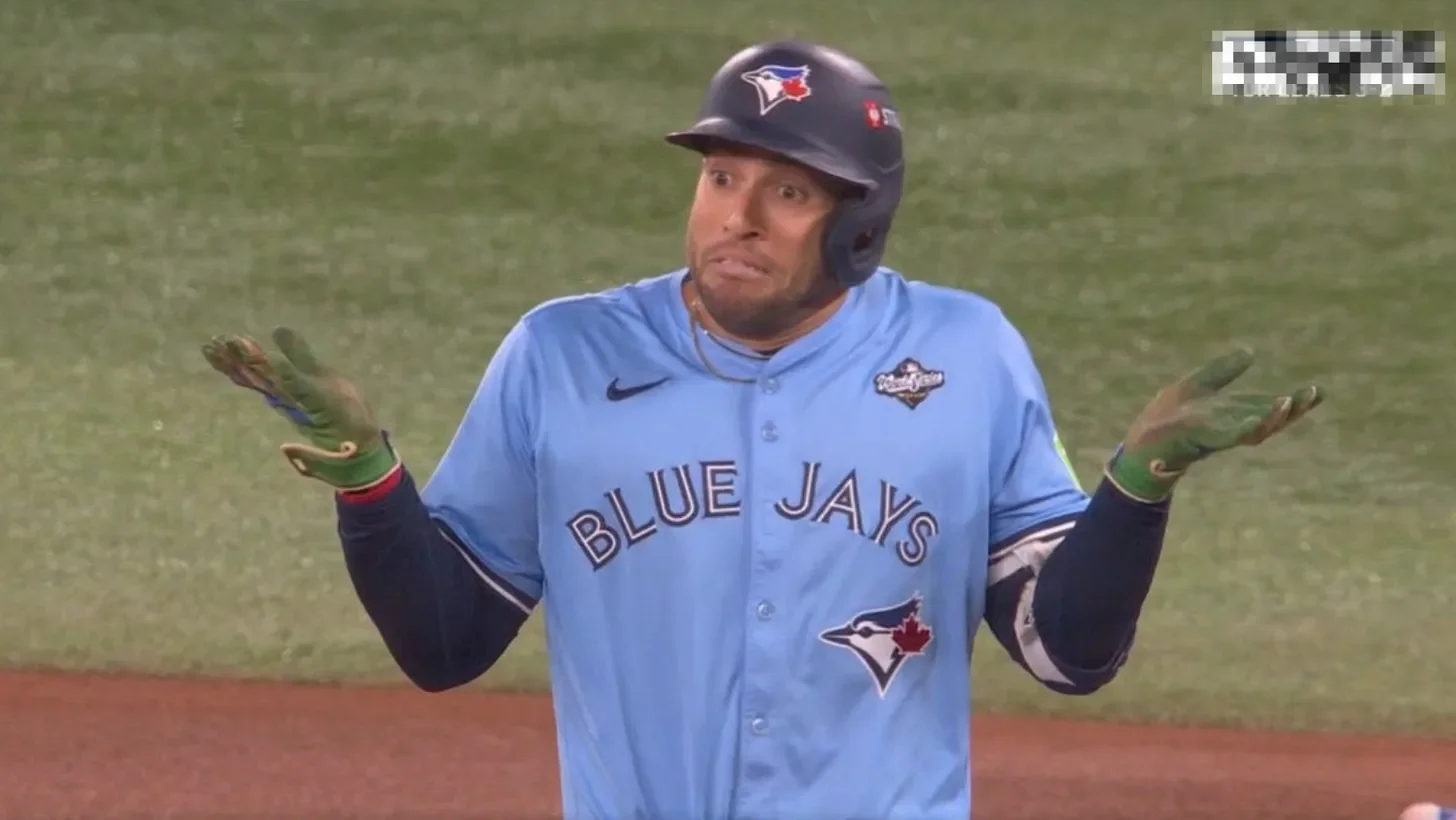
George Springer: Who he really is, and why "Cheater" doesn't begin to describe him.
Before he was a World Series MVP, before the “cheater” chants and the boos in visiting ballparks, George Springer was just a kid from New Britain, Connecticut. He was a shy, stuttering kid who used sport as a language when words didn’t come easy.
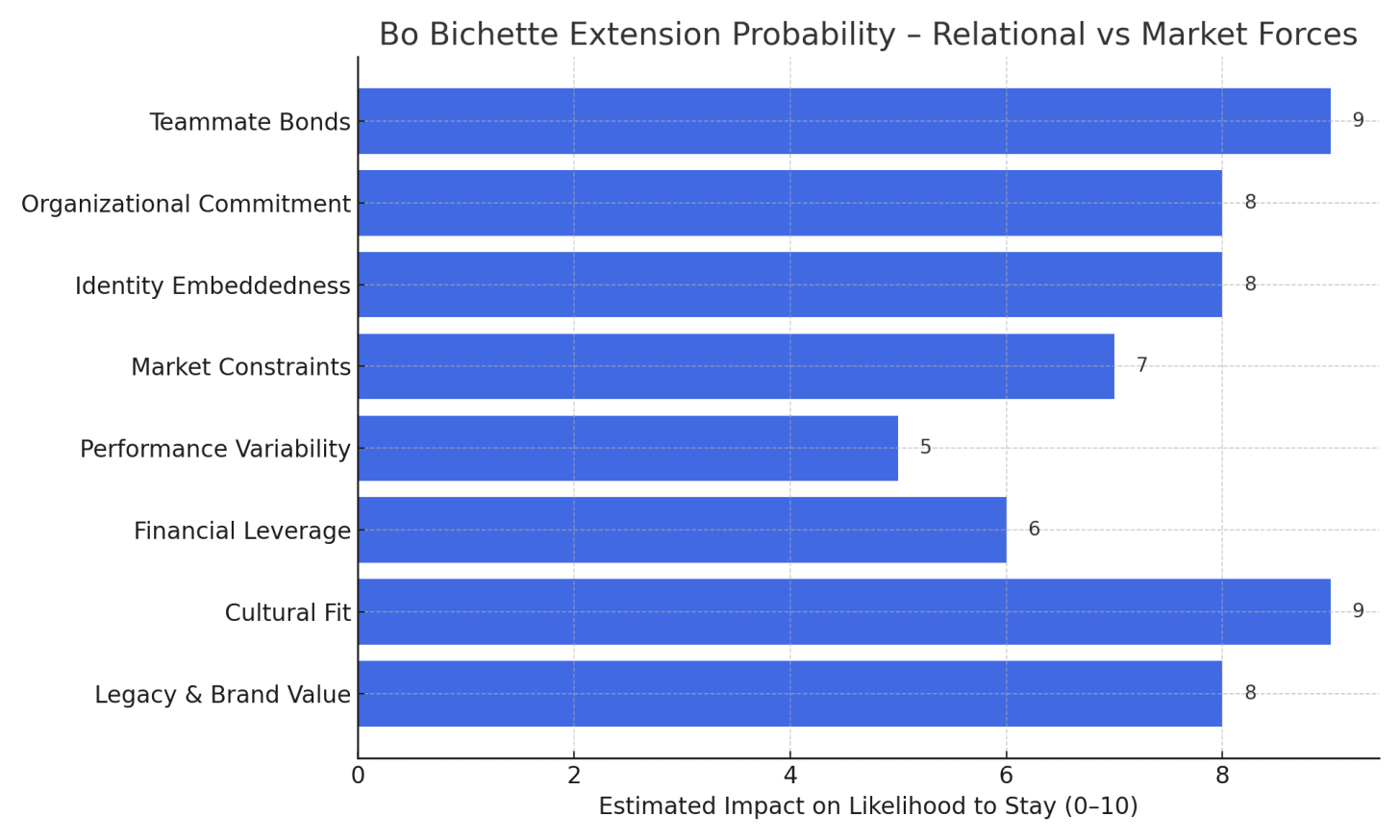
Bo Bichette and the Blue Jays: The Stats, Science, and Signals He’s Staying
Let’s cut to it: When a homegrown star like Bo Bichette hits free agency, the chorus starts. “Will he leave?” “Is his market huge?” “Will the Jays trade him?” But here’s a contrarian truth: everything I’m reading suggests he stays. And not just by default. For real reasons. Let’s unpack them.

It's time to write better content on the Toronto Blue Jays.
This isn’t another rumour mill or reaction feed. It’s a deep dive into the strategy, stories, and soul of the Toronto Blue Jays. We look past clickbait and controversy to explore the why behind every headline from player development and advanced metrics to leadership, clubhouse culture, and the psychology of performance.